
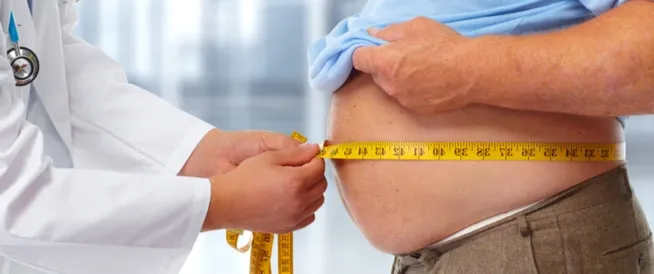
Expected Weight Loss After Mini Gastric Bypass Surgery
Mini Gastric Bypass (MGB) also known as One Anastomosis Gastric Bypass (OAGB) is considered one of the most effective bariatric procedures for achieving significant and sustained weight loss.
Recent international research published by Dr. Ahmed Shinkar has demonstrated the advantages of Mini Gastric Bypass over Sleeve Gastrectomy, particularly in patients with severe obesity and very high body weight.
Research publication:
https://doi.org/10.1016/j.gassur.2025.102112
Weight loss usually begins rapidly during the first months after surgery due to:
- Reduced food intake
- Reduced absorption of calories
On average, patients may lose about 1 kg per week, and approximately 80% to 100% of excess weight within the first 12–18 months after surgery.
However, the rate of weight loss varies from person to person depending on several factors, including:
- Weight before surgery
- Age
- Muscle mass
- Level of physical activity
- Adherence to the postoperative diet
- Regular intake of vitamins and nutritional supplements
Expected Monthly Weight Loss
The expected monthly weight loss varies depending on the patient’s initial weight:
- Approximately 30 kg per month if the current weight is over 200 kg
- Approximately 15 kg per month if the current weight is over 170 kg
- Approximately 8 kg per month if the current weight is over 140 kg
- Approximately 5 kg per month if the current weight is over 90 kg
- Approximately 3 kg per month if the current weight is over 80 kg
- Approximately 2 kg per month if the current weight is over 70 kg
- Approximately 1 kg per month if the weight is below 70 kg, until weight stabilization occurs
Stages of Weight Loss After Mini Gastric Bypass
First Month
Weight loss is typically rapid during this stage due to fluid loss and reduced food intake, with an expected loss of 7–10 kg during the first month.
From the Second to the Sixth Month
Weight loss continues at a noticeable rate and represents one of the fastest phases of weight reduction after surgery.
Patients may lose around 40 kg by the end of the sixth month.
From the Sixth to the Twelfth Month
Weight loss continues but at a slightly slower rate as the body approaches its ideal weight.
After the First Year
Most patients reach their target weight or come close to it, and the main goal becomes maintaining the weight and preventing regain.
Factors That Help Increase Weight Loss
To achieve the best results after surgery, patients are advised to:
- Follow the recommended postoperative diet
- Exercise regularly 3–5 times per week
- Reduce sugar intake
- Drink adequate amounts of water
- Consume sufficient protein and prescribed vitamin supplements
Can Excessive Weight Loss Occur After Mini Gastric Bypass?
When the surgery is performed by an experienced bariatric surgeon, the possibility of excessive or undesirable weight loss is extremely rare.
This is because Mini Gastric Bypass is performed according to well-established international surgical standards, including precise measurements of:
- The size of the gastric pouch
- The length of the bypassed intestine
These standards ensure a balance between effective weight loss and adequate nutrition.
Additionally, the body gradually adapts after surgery. Over time:
- The intestines increase their absorption capacity
- The gastric pouch may slightly expand after about one year
These natural physiological changes act as a protective mechanism, preventing excessive weight loss and helping maintain a healthy and stable body weight in the long term.